What made you want to pursue a career in sport?
I’ve always been involved in sport. I started playing netball at five and haven’t really looked back!
Professionally though, I say I grew up in government. After 18 years with Services Australia, I saw an Operations Manager role advertised at Basketball South Australia. Basketball was the sport that gave me so much growing up, and as soon as I read the job description, it felt like the perfect combination of passion and purpose so I went after it.
That was nearly five years ago, and I’ve been immersed in sport ever since. In recent years, I’ve really found my niche helping sports navigate integrity matters, complaints and conflict. It’s a skillset I’ve developed over many years, and I love being able to use it to help sport manage the difficult stuff well and ultimately be better because of it.
What do you love most about working at SAPA?
The best part about SAPA is knowing you’re part of something bigger than yourself. We help sport be better in so many different ways, and it really feels like this is only the beginning of the SAPA story.
Helping others succeed and improve has been part of every role I’ve had, so being able to continue doing that at SAPA, alongside an incredible group of people who genuinely understand and care about sport, is a privilege. I’m really proud to be part of it.
What do you do day to day in your role?
Well, that depends on the day!
A big part of my role is helping sports navigate integrity matters, complaints and other complex issues that can be difficult to manage. Sometimes that means managing a complaint on behalf of a client from start to finish; other times it’s providing advice and support, helping determine the right process, reviewing policies or working through an issue as it develops.
At the heart of it is people. It’s about understanding what’s happened, the experience and impact for those involved, and making sure matters are handled fairly, consistently and in line with the standards and integrity frameworks that apply.
There’s also a broader piece to the work: helping sports build stronger integrity systems, respond well when issues arise and learn from what those matters are telling them.
So there are lots of conversations, plenty of reading, policy review and problem solving, and no two days are quite thesame. That’s one of the things I really enjoy about it.
What do you enjoy doing in your spare time outside of work?
Going off grid!
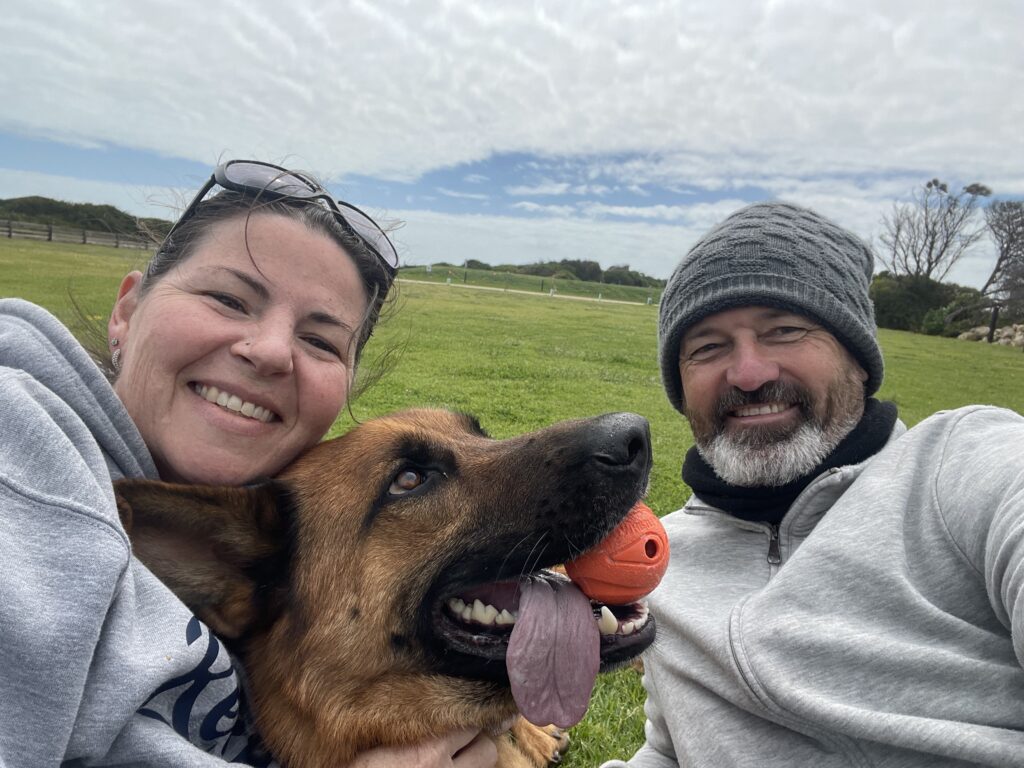
I love camping and getting away from Wi-Fi with my husband and Ferris, our German Shepherd. And it probably goes without saying that I love watching my three sporty kids do their thing, which means lots of AFL, basketball and dancing.
I make the kids go off grid with us at least once a year too. As teenagers, they LOVE it!
What is your favourite sporting moment all-time?
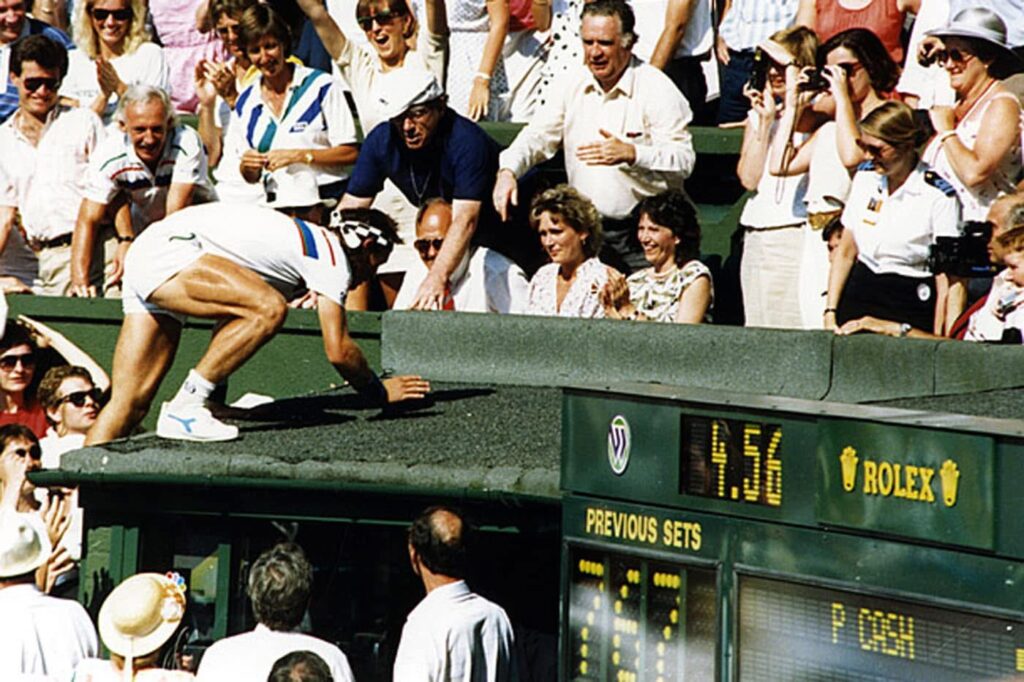
The one that immediately comes to mind is Pat Cash winning Wimbledon in 1987. I remember staying up late watching it with my sister and just being in awe of what he’d achieved. I think it was one of those childhood moments where you watch someone do something extraordinary and think, anything is possible. And that climb into the stands was just awesome!
But a very close second is much smaller. I’ve coached sport forever and I’ll never forget the look on one young basketballer’s face only a few years ago when they made their first foul shot. They turned to their mum with this shy little smirk that said everything.
That’s the power of sport for me. It’s diverse, it’s real and those moments stay with you.
What’s one piece of advice you’d give to someone looking to enter the sporting industry?
Don’t expect it to be all bells and whistles!
Just like on the court or field, working in sport takes grit and determination. You need to be prepared to roll up your sleeves and run with whatever is in front of you. Any sports administrator will tell you how hectic and reactive working in sport can be, so understand and appreciate what it takes behind the scenes, no matter what level you’re working at.
Volunteer wherever you can, get involved in different parts of sport and build genuine relationships along the way. The experience you gain and the connections you make are invaluable.